Product opportunity
Is classic canvas tote bag a good private-label product?
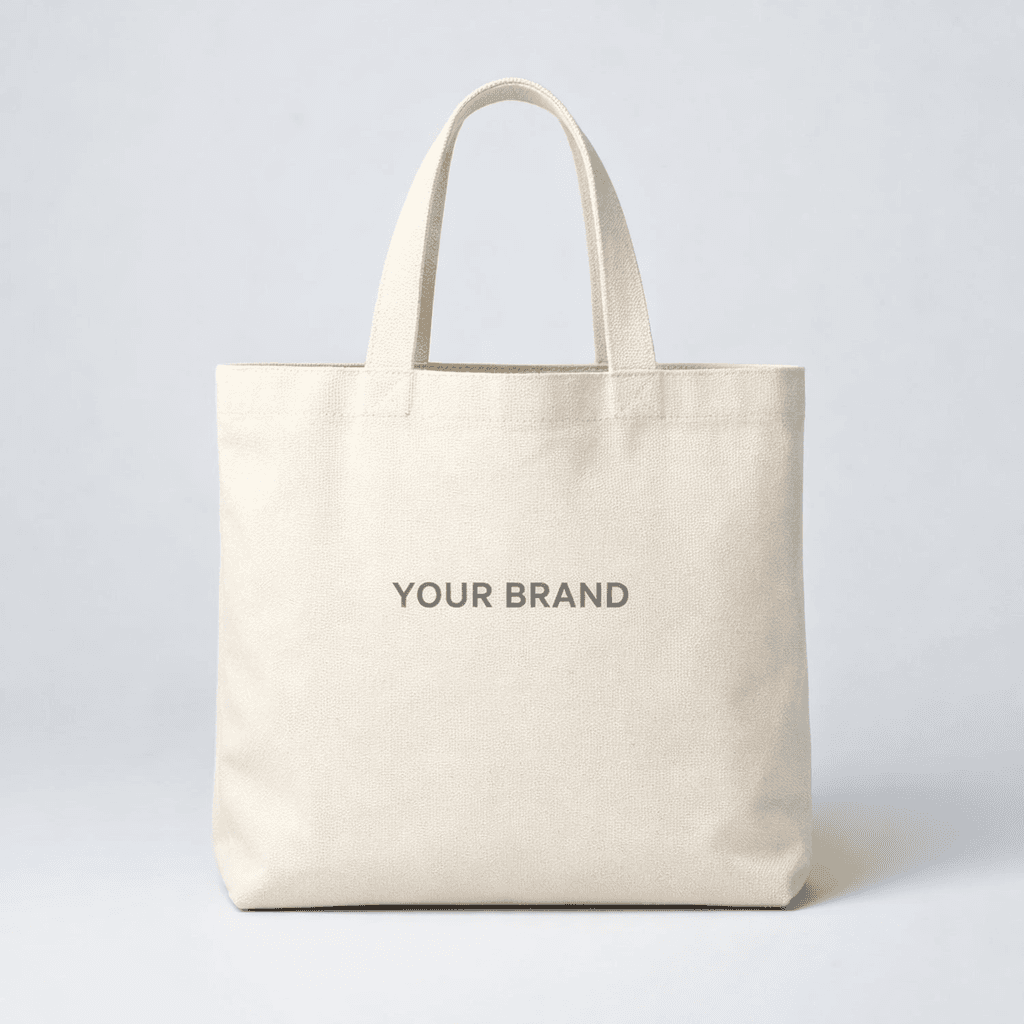
Canvas Tote Bag should be sourced around a clear buying brief: useful carrying capacity, reinforced handles and repeatable print quality. Define the fabric construction and finished dimensions instead of quoting only a canvas weight. Handle attachment, gusset depth and seam allowance influence practical capacity and durability. Send suppliers the same intended use, dimensions, performance expectations and destination market so quotations describe comparable goods. Approve the complete branded sample before committing to production.
The commercial case
For an importer, the commercial question is whether canvas tote bag can meet a defined customer need at a workable landed cost. Potential buyers include gift agencies, retail lifestyle brands, bookshops, corporate procurement teams. A promotional giveaway and a retail shopping bag need different quality and branding budgets. Compare the finished saleable pack, not just the loose factory item: include packaging, inspection, freight, import charges and a realistic allowance for damaged or returned goods. Confirm the minimum order separately for stock goods, custom colours and custom packaging.
Market fit
Demand, buyers, and the brand angle
A promotional giveaway and a retail shopping bag need different quality and branding budgets. Test the bag with the intended contents and assess comfort when carried. Compare natural and dyed fabrics for print contrast, shrinkage and colour consistency before expanding the range. Use samples and buyer feedback to choose the first specification; interest in a category does not guarantee sales for every size, colour or construction.
What drives demand
- A practical customer need: useful carrying capacity, reinforced handles and repeatable print quality.
- An identifiable retail route through gift agencies and retail lifestyle brands.
- A clear assortment opportunity: screen-printed artwork paired with gusseted base.
- Demonstrable differences in fabric specification and finished dimensions give buyers concrete features to compare.
Likely customer groups
- Gift agencies
- Retail lifestyle brands
- Bookshops
- Corporate procurement teams
Recommended white-label angle
Build the branded offer around useful carrying capacity, reinforced handles and repeatable print quality. Options include screen-printed artwork; gusseted base; internal pocket; long or short handle option. Ask which options use existing tooling and which require a new mould, material purchase or packaging run. The approval sample should combine final construction, artwork and instructions, with written change control for repeat orders.
Build the brief
Specifications to settle before requesting quotes
Send every shortlisted supplier the same written brief. That makes quotations comparable and reduces substitutions after sample approval.
- Fabric specification
- State fibre composition, weave, fabric weight and whether the material is prewashed.
- Finished dimensions
- Define body width, height, gusset and handle drop after sewing.
- Load-bearing seams
- Specify stitch density, reinforcement and handle attachment with an agreed carrying test.
- Decoration
- Approve print coverage, colour, cure and resistance to rubbing or the permitted wash method.
- Saleable pack and assortment
- Define whether the quotation covers one item, a pair or a set; list included components, colour ratios, inner-pack counts and dimensional tolerances.
- Branding and instructions
- Approve the exact logo method on canvas tote bag, artwork position, rub resistance, barcode and product-specific care instructions before the packaging run.
- Batch control
- Require production-lot identification, recorded material or component changes and a retained finished sample that can be compared with repeat deliveries.
Customization ideas
- Screen-printed artwork
- Gusseted base
- Internal pocket
- Long or short handle option
Possible market positions
- 1. Lead with useful carrying capacity, reinforced handles and repeatable print quality and show the feature in use.
- 2. Develop a focused pack for gift agencies before expanding the assortment.
- 3. Offer screen-printed artwork as a visible differentiator, supported by the approved sample.
- 4. Use instructions that explain fabric specification and decoration in language the end customer understands.
Supplier due diligence
Ask better questions. Inspect the answers.
Questions for potential suppliers
- 1For fabric specification, what specification and test evidence can you provide? State fibre composition, weave, fabric weight and whether the material is prewashed.
- 2For finished dimensions, what specification and test evidence can you provide? Define body width, height, gusset and handle drop after sewing.
- 3For load-bearing seams, what specification and test evidence can you provide? Specify stitch density, reinforcement and handle attachment with an agreed carrying test.
- 4For decoration, what specification and test evidence can you provide? Approve print coverage, colour, cure and resistance to rubbing or the permitted wash method.
- 5Which of these options can you make using existing tooling: screen-printed artwork or gusseted base? Quote the minimum order and setup cost for each separately.
- 6Can you supply the final branded and packed canvas tote bag for approval, retain a matching reference, and obtain written consent before changing its materials or construction?
Quality-control checklist
- Check fabric specification on production samples against the agreed method and acceptance limits. State fibre composition, weave, fabric weight and whether the material is prewashed.
- Check finished dimensions on production samples against the agreed method and acceptance limits. Define body width, height, gusset and handle drop after sewing.
- Check load-bearing seams on production samples against the agreed method and acceptance limits. Specify stitch density, reinforcement and handle attachment with an agreed carrying test.
- Check decoration on production samples against the agreed method and acceptance limits. Approve print coverage, colour, cure and resistance to rubbing or the permitted wash method.
- Review handle failure and shrinkage after the intended handling or use test, not only on an untouched display sample.
- Verify final logo, instructions, model or size labels, pack count and lot identification; inspect units from several cartons against the retained approved sample.
Protect the order
Risks to resolve before production
Handle failure
Decorative stitching may not reinforce the load path.
Shrinkage
An untreated fabric can change size after washing.
Print cracking
Large solid prints may fold poorly or deteriorate in use.
Unverified environmental claims
Do not assume a tote has certified organic or recycled content from appearance.
Shipping and landed-cost planning
Keep bags dry and separated from odour sources. Compare fold and bundle arrangements for carton utilisation without setting permanent print creases. Check assortment, handle lengths and artwork across several production bundles. Obtain measured packed dimensions, carton quantities and gross weight before comparing air and sea freight. Include the agreed packing arrangement in the purchase specification and inspect it before dispatch.
Product sourcing FAQ
Questions founders ask before sourcing
Open any question to read the answer.
Is a heavier canvas always a better tote?
No. Fabric weight must suit the intended use, but stitching, handle reinforcement, dimensions and finishing also determine usefulness. Compare the complete bag under the same carrying test.
What should I specify when importing canvas tote bag?
Start with fabric specification, finished dimensions, load-bearing seams, decoration. Add the saleable pack, branding, intended customer and destination market. Ask suppliers to confirm each item in writing rather than substituting a stock catalogue description.
Can canvas tote bag carry my own brand?
Ask about screen-printed artwork, gusseted base, internal pocket, long or short handle option. Branding feasibility and order quantities depend on the construction and factory. Approve the actual finish and packaging together, including any setup charges.
How should I compare factory quotations?
Give each supplier the same canvas tote bag specification. Separate unit price, tooling, artwork, packaging, sample charges and inspection. Confirm the named delivery term and what transport is included; a low factory price alone does not establish a better landed cost.
Which samples should I check before ordering?
Evaluate a functional sample against fabric specification and finished dimensions, then approve a final branded pre-production sample. Resolve handle failure before releasing the order and retain a reference for shipment inspection.
How do I start sourcing canvas tote bag through LineScout?
Use the sourcing action on this product page and include your target quantity, destination, required specification and branding preferences. Ask for sample and freight options before confirming the production order.