Product opportunity
Is odor eliminator gel a good private-label product?
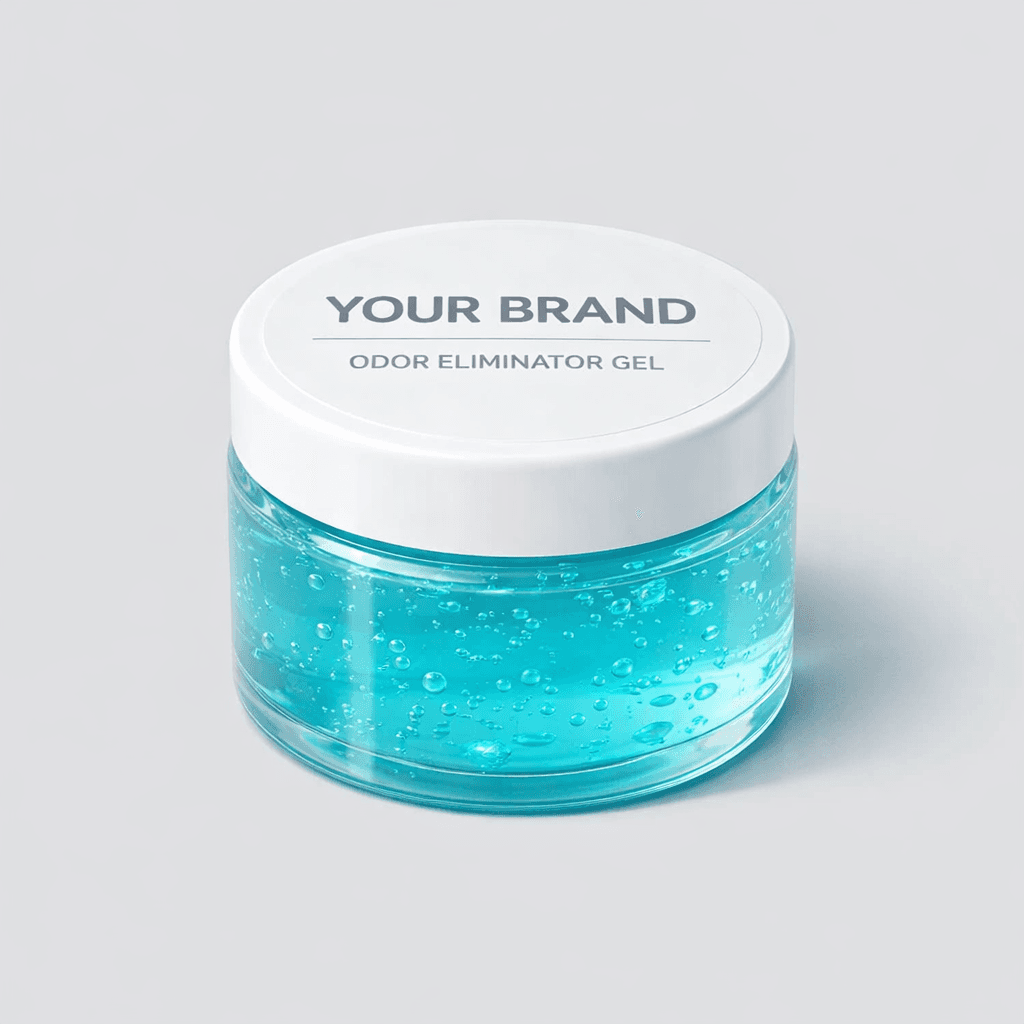
Odor Eliminator Gel should be sourced around a clear buying brief: room-fragrance strength, controlled evaporation and leak-free jars. Choose whether the product perfumes a room or has demonstrated odour-reduction performance. A strong fragrance alone does not prove that the source of an unpleasant smell has been removed. Send suppliers the same intended use, dimensions, performance expectations and destination market so quotations describe comparable goods. Approve the complete branded sample before committing to production.
The commercial case
For an importer, the commercial question is whether odor eliminator gel can meet a defined customer need at a workable landed cost. Potential buyers include home-care retailers, office-supply distributors, hospitality purchasing teams, online home-fragrance brands. Test the proposed fragrance in a room representative of the intended customer rather than approving it only by smelling an open jar. Compare the finished saleable pack, not just the loose factory item: include packaging, inspection, freight, import charges and a realistic allowance for damaged or returned goods. Confirm the minimum order separately for stock goods, custom colours and custom packaging.
Market fit
Demand, buyers, and the brand angle
Test the proposed fragrance in a room representative of the intended customer rather than approving it only by smelling an open jar. Bathrooms, reception desks and bedrooms need different scent strengths. Offer a modest initial fragrance range so slow-selling scents do not tie up cash. Use samples and buyer feedback to choose the first specification; interest in a category does not guarantee sales for every size, colour or construction.
What drives demand
- A practical customer need: room-fragrance strength, controlled evaporation and leak-free jars.
- An identifiable retail route through home-care retailers and office-supply distributors.
- A clear assortment opportunity: adjustable vented lid paired with coordinated fragrance and jar colours.
- Demonstrable differences in formula identity and net fill and gel stability give buyers concrete features to compare.
Likely customer groups
- Home-care retailers
- Office-supply distributors
- Hospitality purchasing teams
- Online home-fragrance brands
Recommended white-label angle
Build the branded offer around room-fragrance strength, controlled evaporation and leak-free jars. Options include adjustable vented lid; coordinated fragrance and jar colours; small-room and larger-room pack sizes; refill format only after spill testing. Ask which options use existing tooling and which require a new mould, material purchase or packaging run. The approval sample should combine final construction, artwork and instructions, with written change control for repeat orders.
Build the brief
Specifications to settle before requesting quotes
Send every shortlisted supplier the same written brief. That makes quotations comparable and reduces substitutions after sample approval.
- Formula identity
- Obtain ingredient identification, safety data and the exact fragrance version; agree that formula changes need approval.
- Net fill and gel stability
- Specify fill mass, acceptable shrinkage in sealed storage, separation limits and a stability evaluation appropriate to expected heat exposure.
- Fragrance release
- Define the room conditions, vent opening and evaluation method used to compare scent intensity and useful life.
- Jar and seal
- Specify resin, lid fit, vent geometry, tamper seal and compatibility between the gel, fragrance and container.
- Saleable pack and assortment
- Define whether the quotation covers one item, a pair or a set; list included components, colour ratios, inner-pack counts and dimensional tolerances.
- Branding and instructions
- Approve the exact logo method on odor eliminator gel, artwork position, rub resistance, barcode and product-specific care instructions before the packaging run.
- Batch control
- Require production-lot identification, recorded material or component changes and a retained finished sample that can be compared with repeat deliveries.
Customization ideas
- Adjustable vented lid
- Coordinated fragrance and jar colours
- Small-room and larger-room pack sizes
- Refill format only after spill testing
Possible market positions
- 1. Lead with room-fragrance strength, controlled evaporation and leak-free jars and show the feature in use.
- 2. Develop a focused pack for home-care retailers before expanding the assortment.
- 3. Offer adjustable vented lid as a visible differentiator, supported by the approved sample.
- 4. Use instructions that explain formula identity and jar and seal in language the end customer understands.
Supplier due diligence
Ask better questions. Inspect the answers.
Questions for potential suppliers
- 1For formula identity, what specification and test evidence can you provide? Obtain ingredient identification, safety data and the exact fragrance version; agree that formula changes need approval.
- 2For net fill and gel stability, what specification and test evidence can you provide? Specify fill mass, acceptable shrinkage in sealed storage, separation limits and a stability evaluation appropriate to expected heat exposure.
- 3For fragrance release, what specification and test evidence can you provide? Define the room conditions, vent opening and evaluation method used to compare scent intensity and useful life.
- 4For jar and seal, what specification and test evidence can you provide? Specify resin, lid fit, vent geometry, tamper seal and compatibility between the gel, fragrance and container.
- 5Which of these options can you make using existing tooling: adjustable vented lid or coordinated fragrance and jar colours? Quote the minimum order and setup cost for each separately.
- 6Can you supply the final branded and packed odor eliminator gel for approval, retain a matching reference, and obtain written consent before changing its materials or construction?
Quality-control checklist
- Check formula identity on production samples against the agreed method and acceptance limits. Obtain ingredient identification, safety data and the exact fragrance version; agree that formula changes need approval.
- Check net fill and gel stability on production samples against the agreed method and acceptance limits. Specify fill mass, acceptable shrinkage in sealed storage, separation limits and a stability evaluation appropriate to expected heat exposure.
- Check fragrance release on production samples against the agreed method and acceptance limits. Define the room conditions, vent opening and evaluation method used to compare scent intensity and useful life.
- Check jar and seal on production samples against the agreed method and acceptance limits. Specify resin, lid fit, vent geometry, tamper seal and compatibility between the gel, fragrance and container.
- Review fragrance masking and premature drying after the intended handling or use test, not only on an untouched display sample.
- Verify final logo, instructions, model or size labels, pack count and lot identification; inspect units from several cartons against the retained approved sample.
Protect the order
Risks to resolve before production
Fragrance masking
Avoid selling scent strength as proof of odour elimination; require evidence for the exact claim.
Premature drying
A poor barrier seal may use up the product before purchase; compare sealed samples after storage.
Gel separation
Liquid leaking from a gel can stain shelves or packaging; assess jars in different orientations.
Overstated claims
Germ-killing, pet-safe and allergy-free statements need appropriate support and market review.
Shipping and landed-cost planning
Keep jars upright using dividers, check seal integrity and request the formula safety data before the forwarder classifies the shipment. Approve packaging after warm-storage and handling checks, with no leaked fragrance or damaged labels. Obtain measured packed dimensions, carton quantities and gross weight before comparing air and sea freight. Include the agreed packing arrangement in the purchase specification and inspect it before dispatch.
Product sourcing FAQ
Questions founders ask before sourcing
Open any question to read the answer.
How should I assess an odour-eliminating claim?
Ask what was tested, against which odour, at what concentration and under which room conditions. If the evidence only demonstrates fragrance release, describe the product as an air freshener. Have the destination-market classification and label checked before ordering.
What should I specify when importing odor eliminator gel?
Start with formula identity, net fill and gel stability, fragrance release, jar and seal. Add the saleable pack, branding, intended customer and destination market. Ask suppliers to confirm each item in writing rather than substituting a stock catalogue description.
Can odor eliminator gel carry my own brand?
Ask about adjustable vented lid, coordinated fragrance and jar colours, small-room and larger-room pack sizes, refill format only after spill testing. Branding feasibility and order quantities depend on the construction and factory. Approve the actual finish and packaging together, including any setup charges.
How should I compare factory quotations?
Give each supplier the same odor eliminator gel specification. Separate unit price, tooling, artwork, packaging, sample charges and inspection. Confirm the named delivery term and what transport is included; a low factory price alone does not establish a better landed cost.
Which samples should I check before ordering?
Evaluate a functional sample against formula identity and net fill and gel stability, then approve a final branded pre-production sample. Resolve fragrance masking before releasing the order and retain a reference for shipment inspection.
How do I start sourcing odor eliminator gel through LineScout?
Use the sourcing action on this product page and include your target quantity, destination, required specification and branding preferences. Ask for sample and freight options before confirming the production order.