Product opportunity
Is vitamin c brightening serum a good private-label product?
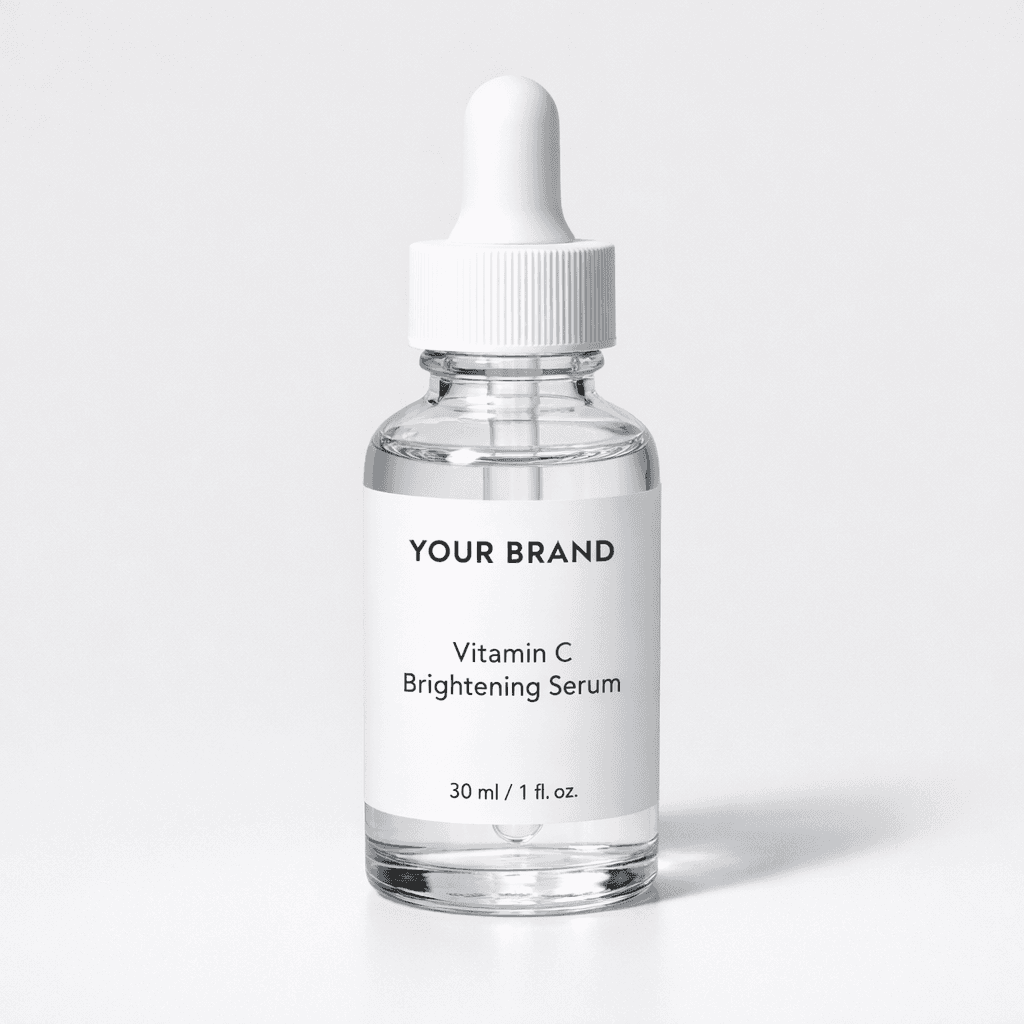
A private label vitamin C brightening serum needs a precise formula brief because vitamin C is not one interchangeable ingredient. Different forms have different solubility, formulation needs, stability profiles and evidence, while the complete serum also depends on pH where relevant, supporting ingredients, preservation, exposure to air and light, and packaging compatibility. A percentage on the carton cannot establish finished-product quality or results. Buyers should identify the exact vitamin C ingredient and level, define appearance and skin feel, agree supportable cosmetic claims, and require stability and packaging evidence for the final formula before branded artwork and production are approved.
The commercial case
Vitamin C serums suit skincare brands, beauty retailers, pharmacies, salons and online self-care stores because consumers recognise the ingredient and often use serums as a dedicated routine step. The category can support repeat purchase, but it also carries high expectations and visible failure modes: colour may darken, odour may change, droppers may leak, and aggressive claims may exceed the evidence. Commercial value should come from a controlled formula, protective pack, understandable directions and transparent ingredient communication rather than promising instant transformation. Brands also need to plan stock rotation and storage so a stability-sensitive product does not spend unnecessary time in heat or light.
Market fit
Demand, buyers, and the brand angle
Customers compare vitamin C form, declared level, texture, compatibility with other routine products and packaging. Some prefer water-light serums, while others accept a richer feel; fragrance and tackiness can be decisive. Dark or opaque packaging may support protection, but colour alone does not prove stability. Market the product within cosmetic functions and avoid treating pigmentation disorders or promising a guaranteed skin-tone change. For Nigeria, confirm current NAFDAC registration, label and advertising requirements for the exact cosmetic formula and claims before manufacture, import or sale.
What drives demand
- Vitamin C is widely recognised by skincare shoppers seeking a targeted serum step.
- Serums fit routine-based beauty merchandising and bundle naturally with cleansers and moisturisers.
- Small bottles are convenient for ecommerce, specialist retail and gift sets when protected from leakage and light.
- Transparent ingredient and storage guidance can differentiate brands in a claim-heavy category.
Likely customer groups
- Independent skincare and personal-care brands
- Beauty retailers, pharmacies and online stores
- Salons, spas and professional retail programmes
- Curated skincare-box and self-care gift businesses
Recommended white-label angle
A credible private label explains what is actually in the serum and protects it appropriately. State the ingredient list accurately, choose an air- and light-conscious dispensing format, provide sensible storage directions and use restrained brightening or antioxidant language that can be substantiated. Customisation can include texture, fragrance position, bottle colour, dispenser and carton, but every change should be evaluated with the formula. Consider a coordinated routine with cleanser and moisturiser, while avoiding instructions that imply all active products should be layered together without regard to the final formulations.
Build the brief
Specifications to settle before requesting quotes
Send every shortlisted supplier the same written brief. That makes quotations comparable and reduces substitutions after sample approval.
- Vitamin C identity
- Name the exact vitamin C ingredient, raw-material specification and finished-formula level rather than approving a generic vitamin C percentage.
- Complete formula
- Freeze every ingredient, formula code, fragrance and colour, and require assessment before any raw-material or processing change.
- Physical profile
- Define appearance, colour range, odour, viscosity, spread, absorption feel, residue and pH range where formulation-relevant.
- Stability programme
- Request qualified stability evaluation appropriate to the exact formula, pack, storage directions and intended shelf life, including meaningful oxidation indicators.
- Microbiological control
- Agree finished-product microbiological and preservation testing suitable for the formulation and manufacturing process.
- Protective packaging
- Control bottle material and colour, headspace, dispenser, gasket, closure and secondary carton according to air, light and formula compatibility needs.
- Fill and dispensing
- Specify net content, fill tolerance, dose behaviour, priming, leakage and whether a dropper, pump or restricted-opening pack is used.
- Claims and labelling
- Approve supportable cosmetic claims, ingredient declaration, directions, warnings, batch and date codes, origin and responsible-party details.
Customization ideas
- Opaque or amber-toned bottle with a controlled serum pump
- Fragrance-free positioned formula subject to complete formula review
- Trial and full-size packs using the same evaluated component system
- Brightening-routine set with complementary cleanser and moisturiser
Possible market positions
- 1. Transparent vitamin C serum with clearly identified ingredient form
- 2. Air-conscious pump serum supported by realistic storage guidance
- 3. Lightweight daily serum for a simple cleanser-serum-moisturiser routine
- 4. Trial-size discovery set with restrained, evidence-led cosmetic claims
Supplier due diligence
Ask better questions. Inspect the answers.
Questions for potential suppliers
- 1Which vitamin C ingredient and finished-formula level are offered, and what raw-material documentation supports the identity?
- 2What stability data covers the exact formula, bottle, dispenser, headspace and proposed storage and shelf-life conditions?
- 3Which objective release limits apply to colour, odour, viscosity, pH where relevant, microbiological quality and fill content?
- 4How are oxygen and light exposure managed during manufacture, filling, storage and transport?
- 5Can you provide production-equivalent filled samples and retained references using the final formula, pump, bottle and artwork?
- 6Which documents can support destination-market cosmetic registration, label review, traceability and change control?
Quality-control checklist
- Verify formula code, vitamin C ingredient record, batch identity and agreed finished-product release documents.
- Compare colour, clarity or opacity, odour, viscosity, pH where relevant and skin feel with defined limits and the retained sample.
- Measure net content and inspect headspace, particulates, separation, inconsistent fill and contamination indicators.
- Test pump or dropper operation, dose consistency, closure, leakage, label adhesion, print and carton protection.
- Confirm ingredient list, claims, directions, warnings, storage, dates, batch code, origin and responsible-party details against approved artwork.
- Evaluate samples after agreed storage and transport stresses for colour drift, odour change, separation, leakage and component interaction.
Protect the order
Risks to resolve before production
Oxidation and colour change
Formula, oxygen, light, heat and packaging can accelerate change. Evaluate the complete filled pack and define release and shelf-life limits.
Ambiguous percentage claim
A headline percentage is meaningless without the exact ingredient and formula context. Require accurate composition documents and artwork.
Unsupported brightening claims
Avoid guaranteed results, treatment of pigment disorders or claims that exceed the cosmetic evidence and authorised product route.
Registration or artwork mismatch
Formula and label changes can affect the regulatory file. Complete the applicable NAFDAC process for Nigeria and control revisions before supply.
Shipping and landed-cost planning
Serum bottles are small but relatively dense and may contain glass, pumps or droppers that need fitted protection. Request the final filled unit weight, packed dimensions, units per carton, carton measurements, gross weight and stacking limits. Use dividers or trays to prevent bottle contact, cap movement and dispenser damage, and protect the shipment from unnecessary heat and direct light according to the supported storage conditions. Conduct leakage and package-integrity checks after representative handling. Batch, formula, artwork and regulatory documents should all identify the same finished product and pack size.
Product sourcing FAQ
Questions founders ask before sourcing
Open any question to read the answer.
Can vitamin C serum be private labelled?
Yes. Formula, vitamin C form, texture, fragrance position, pack, dispenser and artwork can be developed for a brand, subject to testing and regulatory review.
Are all forms of vitamin C in serum the same?
No. Different ingredients have different formulation and stability characteristics. The sourcing specification should name the exact ingredient and finished-formula level.
Why does packaging matter for vitamin C serum?
Air, light and formula contact can affect stability and dispensing. Evaluate the exact bottle, pump or dropper, gasket, headspace and carton with the serum.
Does vitamin C serum need NAFDAC registration in Nigeria?
Cosmetics are regulated in Nigeria. Confirm the current registration, import, labelling and advertising requirements directly with NAFDAC or qualified advisers.
Can a serum promise to remove dark spots?
Avoid treatment or guaranteed-result language. Claims should stay within the supported cosmetic function and be reviewed for the destination market and exact formula.
How can a buyer monitor serum consistency?
Freeze the formula and pack, set physical release limits, retain filled samples, review batch documents and stability, and inspect production before shipment.